

UK and European Union Agree New Deals on Trade, Travel and Youth Opportunities After Brexit
World News | Europe | 20 November 2026
By Sprinkle News
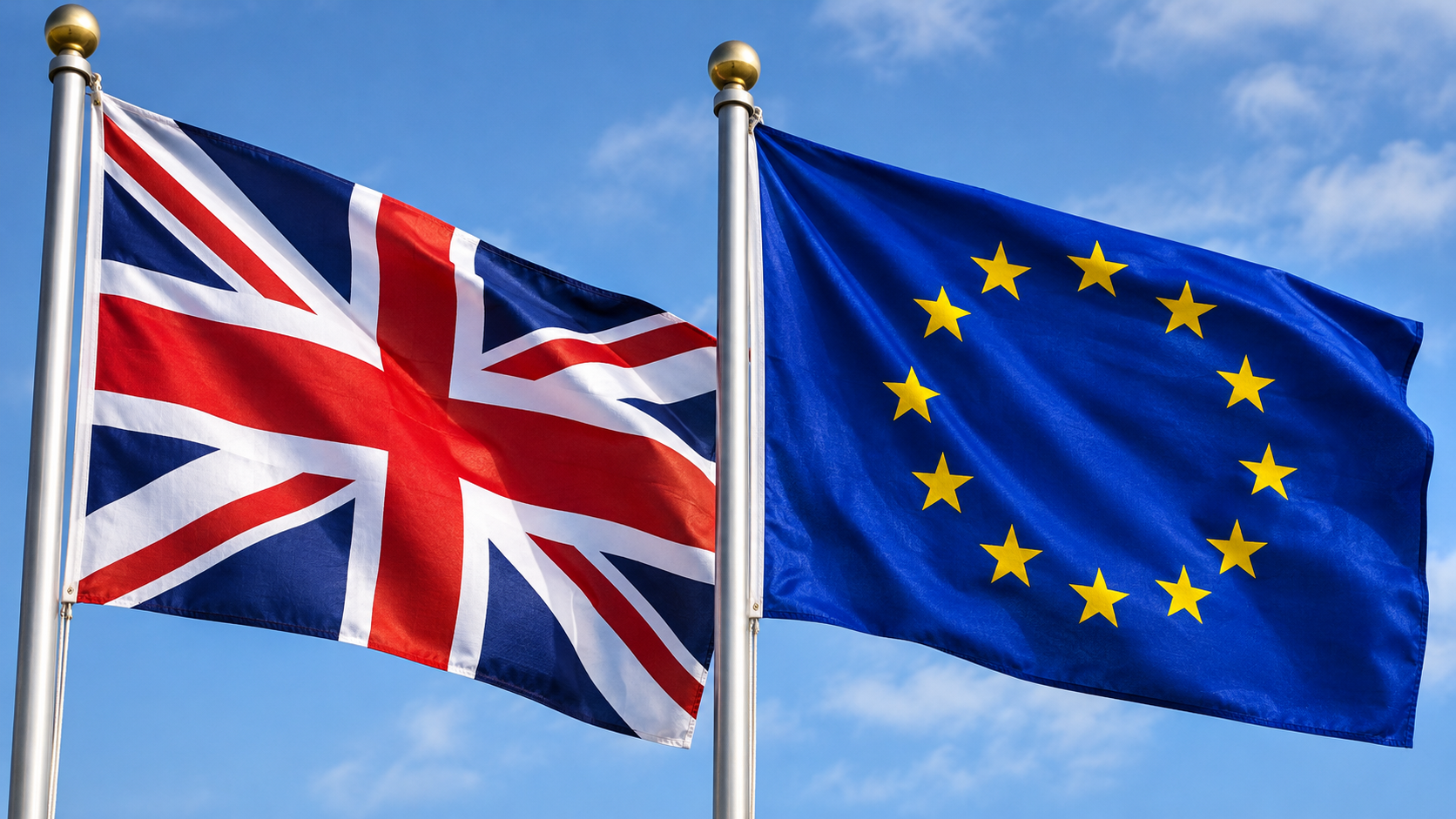
The United Kingdom and the European Union have taken a significant step towards strengthening their relationship after reaching new agreements covering trade, youth mobility and environmental cooperation.
The agreements were announced following a summit in Brussels on Friday, 20 November 2026, where British Prime Minister Andy Burnham met European Commission President Ursula von der Leyen and European Council President António Costa.
The development marks another stage in efforts to improve relations between Britain and its European neighbours following years of political and economic disagreements after Brexit.
Although the agreements do not mean Britain is returning to the European Union, they could eventually make it easier for businesses to trade and for young people to gain international experience.
New Opportunities for Young People
One of the most important developments is a new youth mobility arrangement designed to allow eligible young people from Britain and EU countries to live, work and study across borders for a limited period.
Under the proposed Youth Experience Scheme, up to 100,000 young people from each side could participate annually.
The arrangement is expected to cover people under the age of 31, allowing them to spend up to three years in the participating country.
For many young adults, this could create opportunities to experience different cultures, develop professional skills and gain valuable international work experience.
However, the scheme is not yet operating. Implementation is planned from 2028, subject to the necessary arrangements being completed.
Prospective applicants will therefore need to wait for official guidance on eligibility, fees and application procedures.
Changes That Could Make Food Trade Easier
Another major part of the agreement focuses on reducing barriers affecting agricultural and food products transported between Britain and EU countries.
Since Brexit, additional checks, paperwork and certification requirements have created challenges for some businesses involved in cross-border trade.
The new arrangement would align relevant food and agricultural standards, allowing many products to move between the two markets with fewer administrative obstacles.
This could particularly benefit farmers, food manufacturers, supermarkets and smaller businesses that rely on international trade.
Reducing unnecessary delays may also help improve supply chains and lower certain operating costs.
However, whether consumers will eventually notice lower prices will depend on several factors, including transport expenses, production costs and market conditions.
Cooperation on Climate and Carbon Emissions
Britain and the EU have also agreed to link their emissions trading systems.
Emissions trading systems are designed to encourage industries to reduce pollution by placing financial costs on certain greenhouse gas emissions.
Connecting the two systems could reduce carbon-related trade barriers for businesses operating across the British and European markets.
Industries such as steel and aluminium production may particularly benefit from the arrangement.
The agreement could also encourage greater cooperation on environmental policies while allowing both sides to pursue their broader climate commitments.
University Tuition Fees Remain a Major Issue
Despite progress in other areas, Britain and the EU have not reached a final agreement on university tuition fees.
The question of how much European students should pay to study in Britain, and how British students should be treated when studying in EU countries, remains under discussion.
Since Brexit, many EU students have faced higher tuition fees at British universities because they no longer automatically qualify for domestic student fee arrangements.
The two sides have agreed to continue negotiations, with the aim of reaching an agreement within six months.
For students and families planning international education, this remains an important issue to follow.
Until an agreement is formally introduced, prospective students should continue checking the tuition fees and immigration requirements of their chosen institutions.
What Does This Mean for Ordinary People?
Political agreements are often discussed in terms of diplomacy and economic cooperation, but their importance ultimately depends on how they affect everyday life.
For young people, the mobility arrangement could create new opportunities for employment, education and cultural exchange.
For businesses, fewer trade barriers could make international operations more manageable.
For consumers, improved trade relations could eventually support more reliable supplies of goods and potentially reduce some costs, although such benefits are not guaranteed.
Families with relatives living in different European countries may also welcome signs of closer cooperation.
Nevertheless, the new agreements do not restore unrestricted freedom of movement between Britain and the European Union.
Existing passport, visa and residence requirements will continue to apply unless specific changes are introduced.
A New Direction After Brexit?
The summit reflects a growing recognition that Britain and the European Union continue to share important economic, geographical and security interests.
Although Brexit changed their formal relationship, it did not remove the practical need for cooperation.
Businesses still trade across borders, students continue to seek educational opportunities abroad, and governments face common challenges involving climate change, migration and economic development.
The latest agreements suggest that both sides are looking for practical ways to address these issues without reopening the debate over EU membership.
However, negotiations over tuition fees and other outstanding matters demonstrate that differences remain.
What Happens Next?
Attention will now turn to implementing the agreements and resolving the remaining disagreements.
Businesses will be watching for changes to trade procedures, while young people will be interested in learning when the mobility programme becomes available.
University students and educational institutions will also be following negotiations over tuition fees.
The success of the agreements will ultimately depend on whether the promised changes are implemented effectively.
For Britain and the European Union, the summit represents an opportunity to strengthen cooperation while recognising the political realities created by Brexit.
For citizens, the most important outcome will not be the diplomatic announcements themselves, but whether they lead to genuine improvements in trade, education, employment and international opportunities.
As Britain and Europe move towards closer cooperation, the coming years will reveal whether this renewed relationship delivers meaningful benefits for ordinary people on both sides.
Sources: UK Government, EU Council, Reuters and Associated Press, 20 November 2026.


