

The Return of the Neighbourhood: Why Local Communities Still Matter in a Digital World
We live in an age when connecting with someone thousands of miles away takes only seconds. Social media, video calls and messaging apps have made the world feel smaller than ever.
Yet there is an interesting contradiction: we may know what someone on another continent is doing while knowing very little about the person living a few doors away.
As our lives become increasingly digital, the importance of the neighbourhood can easily be overlooked. But local communities still provide something technology cannot completely replace: everyday human connection and a sense of belonging.
The Value of Everyday Encounters
Strong communities are often built through very ordinary moments.
A greeting at the bus stop, a conversation in a local shop, parents meeting outside a school or a neighbour collecting a parcel may seem insignificant. Over time, however, these small interactions create familiarity and trust.
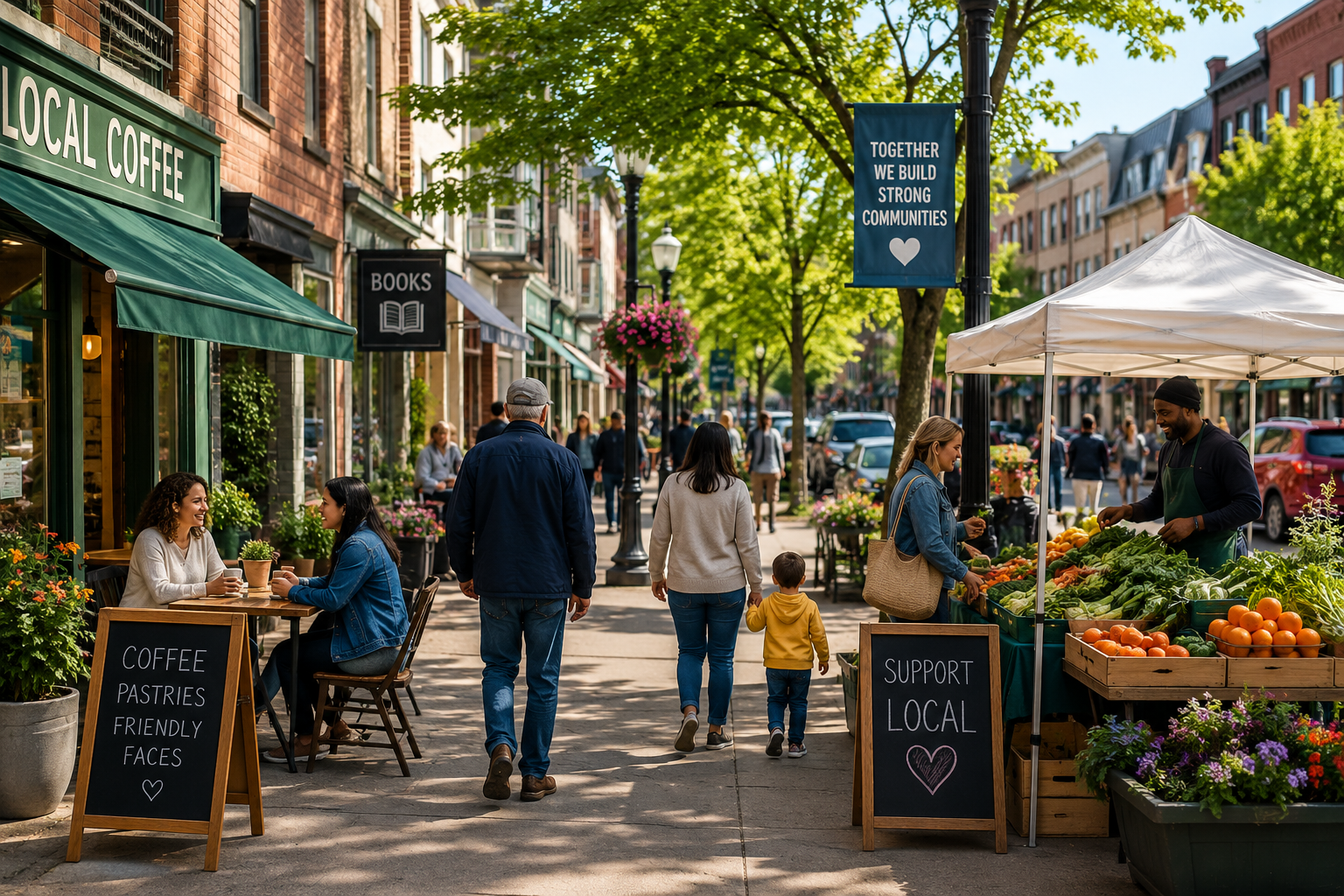
Parks, cafés, libraries, markets and community centres also provide places where people naturally meet. They are more than physical spaces; they help turn a collection of houses and streets into a community.
Nobody needs to know every neighbour personally. Even recognising familiar faces can make an area feel more welcoming.
Local Businesses Bring Life to a Neighbourhood
Small businesses also play an important role.
A local café may become a meeting place. A shopkeeper may know regular customers by name. A neighbourhood restaurant may introduce people to food and traditions from another culture.
Local markets are particularly good examples. Although almost anything can now be ordered online, markets continue to attract people because they offer more than products.
Customers walk between stalls, speak directly with traders and meet other residents. In multicultural communities, markets can also become places where different foods, languages and traditions naturally come together.
Online shopping provides convenience, but it cannot fully reproduce that experience.
Libraries Are Changing Too
Libraries demonstrate how traditional community spaces can adapt to modern life.
People no longer depend on libraries as their main source of information, yet many libraries have expanded their role. They may provide study spaces, children’s activities, language programmes, digital assistance, workshops and community events.
Importantly, libraries are among the few indoor public places where people can spend time without being expected to buy something.
For students, families, older people and those who may feel isolated, that can be particularly valuable.
Technology Can Help Local Communities
Digital technology does not have to weaken neighbourhood relationships. Used well, it can actually strengthen them.
Local online groups allow residents to share information, recommend services, advertise events, find lost pets or give away unwanted household items. Small businesses can use social media to reach customers living nearby, while community organisations can promote activities without large advertising budgets.
The technology connecting us globally can therefore also help us connect locally.
Rediscovering What Is Close to Us
A strong community does not mean everyone must become friends or agree on everything. It simply means recognising that we share our surroundings with other people.
Sometimes strengthening that connection requires very little: visiting a local market, supporting a small business, attending a community event, using the library or simply saying hello to someone we regularly see.
Our ability to connect with the wider world is one of the great benefits of modern technology.
But while we look across countries and continents, it is worth remembering another community much closer to us.
Sometimes it begins just outside our front door.


