The Forest That Covers Almost an Entire Country
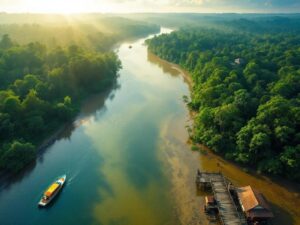
Imagine flying over a country for hours and seeing almost nothing but endless green forests stretching to the horizon.
No large cities.
No vast highways.
No endless fields of farmland.
Just forest after forest after forest.
It may sound like a scene from a nature documentary, but this place really exists.
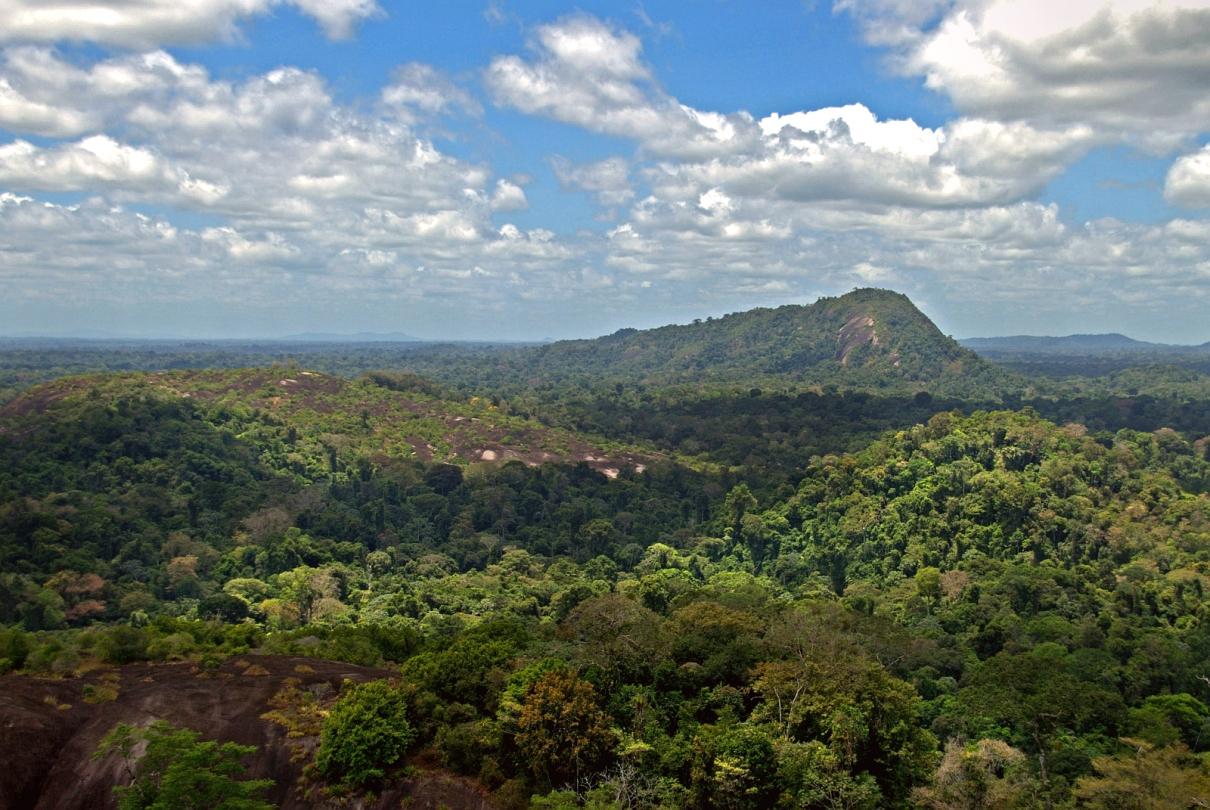
The country is Suriname, a small nation located on the northeastern coast of South America. While many people have never heard much about it, Suriname holds a remarkable distinction. More than 90 percent of its land is covered by forest, making it one of the most heavily forested countries in the world.
To put this into perspective, the global average forest cover is around one-third of total land area. In Suriname, forests dominate almost everything. Large sections of the country remain untouched tropical rainforest, providing a home for countless plants and animals.
A Hidden Natural Treasure
Suriname’s forests form part of the vast Amazon ecosystem, one of the most important natural environments on Earth.
These forests are home to jaguars, giant river otters, colorful macaws, monkeys, and thousands of other species. Many areas remain so remote that scientists continue to discover new species and study ecosystems that have changed very little over centuries.
Unlike many parts of the world where forests have been cleared for agriculture or urban development, much of Suriname’s rainforest remains intact.
This has helped the country maintain extraordinary biodiversity and natural beauty.
Why Forests Matter
Forests do much more than provide scenery.
They absorb carbon dioxide from the atmosphere, help regulate rainfall, protect soil from erosion, and support wildlife.
Scientists often describe forests as one of the planet’s natural climate-control systems.
Suriname’s forests are so extensive that the country is considered a significant carbon sink, meaning its forests absorb enormous amounts of carbon dioxide. This makes the country an important contributor to global environmental health despite its relatively small size.
Protecting What Remains
Although Suriname has one of the world’s lowest rates of deforestation, protecting such a vast forest is not always easy.
Like many countries rich in natural resources, Suriname faces challenges from activities such as mining, logging, and economic development. Environmental groups and local communities continue to advocate for responsible management to ensure that future generations can benefit from these forests.
In recent years, the country has made ambitious commitments to protect the majority of its tropical forests for the future. Conservationists around the world have praised these efforts as an example of long-term environmental stewardship.
A Lesson for the World
Suriname reminds us that some of the world’s greatest treasures are not skyscrapers, shopping centers, or tourist attractions.
Sometimes they are vast stretches of untouched nature quietly performing services that benefit the entire planet.
In an age when environmental challenges dominate headlines, Suriname offers a different story—one that shows the value of protecting what still remains.
The forests of this small South American nation may be far from where many of us live, but their importance reaches far beyond its borders.
And perhaps that is what makes Suriname so remarkable.
It is a country where nature still reigns supreme.