

Remembering Busua Pleasure Beach: The Coastal Paradise That Defined a Generation
Author: Nana Araba – Sprinkle News
Before surfboards and international tourism, Busua was where Ghanaians gathered for school excursions, family holidays, live highlife music, and unforgettable Kundum celebrations.
For many Ghanaians who grew up in the 1970s and 1980s, Busua Pleasure Beach was more than a destination—it was an experience. Long before surfing schools and modern beach resorts arrived, Busua was one of Ghana’s most beloved coastal getaways, attracting families, students, and holidaymakers from across the country and globally.
Located in Ghana’s Western Region, Busua lies along the Atlantic coastline between the historic fishing communities of Dixcove and Butre, about 30 kilometres west of Takoradi. and close to a town name Agona Nkwanta. Today, many people know Busua as Ghana’s surfing capital, but older generations remember a very different place.
The journey to Busua was part of the adventure. Travelling through the lush landscapes of the Western Region, visitors eagerly anticipated their arrival at the beach. For many schoolchildren, it was their first opportunity to see the ocean, making school excursions to Busua unforgettable experiences.
What made Busua special was its simplicity. Unlike today’s tourism destinations, there was no focus on luxury. Visitors stayed in modest but comfortable rooms close to the beach, where the sound of the waves could be heard throughout the day and night. The restaurant served fresh local dishes, especially seafood caught by fishermen from nearby communities. Meals were simple, delicious, and affordable, adding to the charm of the experience.
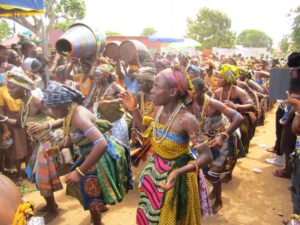
Busua was not only a place to relax; it was also a place to celebrate. During festive seasons, particularly the famous Kundum Festival of the Ahanta people, the beach came alive with culture and excitement. Traditional drumming and dancing attracted both local residents and visitors eager to experience the rich heritage of the Western Region.
As the sun set, another attraction took centre stage—the live highlife bands. Many visitors still remember evenings spent listening to music by the seaside while families, friends, and tourists gathered to dance and socialize. The combination of ocean breezes, live music, laughter, and the sound of crashing waves created an atmosphere that remains unforgettable decades later.
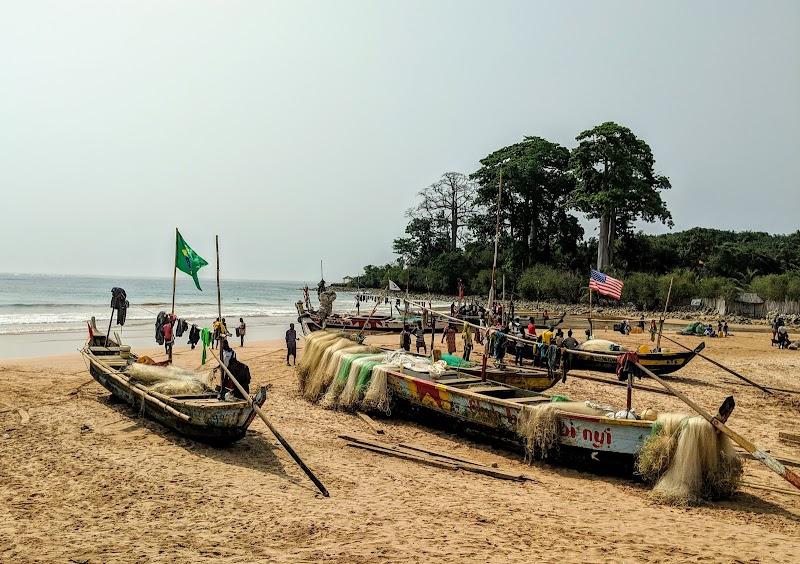
The nearby town of Dixcove, located just a few kilometres away, added to Busua’s appeal. Visitors often explored the fishing harbour, watched colourful canoes return from the sea, and visited the historic Fort Metal Cross. Together, Busua and Dixcove offered a unique blend of natural beauty, history, and culture.
For students, Busua was also educational. School excursions introduced young people to Ghana’s coastal environment, fishing traditions, and local customs. Many of those students are now adults who still fondly remember their days at Busua Pleasure Beach.
Over the years, Busua has changed. International visitors now travel from around the world to surf its waves. New guesthouses, lodges, and resorts have appeared, offering accommodation for travellers seeking a beach escape. Surf schools have become a common sight, helping to establish Busua as one of West Africa’s emerging surfing destinations.
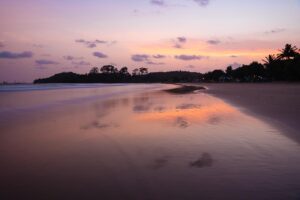
Yet despite these developments, the essence of Busua remains. The golden sands still stretch along the coastline. Fishermen still launch their colourful canoes into the Atlantic Ocean. The sunsets remain spectacular, and the warmth of the local community continues to welcome visitors.
Many people assume Busua’s tourism story began with surfing, but that is far from the truth. Long before surfboards appeared on the beach, visitors were staying in simple guest rooms, enjoying fresh seafood in local restaurants, dancing to live highlife bands, and attending colourful cultural festivals. Busua was already a treasured holiday destination for generations of Ghanaians.
For those who visited Busua Pleasure Beach in its earlier years, a return trip today may feel different, but it can still evoke powerful memories. The buildings may have changed, and tourism may have evolved, but the spirit of the place remains.
The Busua of yesterday may have changed, but it has never been forgotten. The waves still roll onto the shore, fishermen still head out to sea, and visitors still discover the beauty that generations of Ghanaians fell in love with decades ago.
Where Is Busua?


Busua is a coastal village in Ghana’s Western Region, along the Atlantic Ocean. It lies west of Takoradi and is part of the Ahanta area.
Nearby Towns and Villages
- Agona Nkwanta – the main inland town many travelers pass through on the way to Busua.
- Dixcove – a historic fishing town just a few kilometres west of Busua, known for Fort Metal Cross.
- Butre – a quiet coastal village east of Busua with beautiful scenery and historical significance.
- Sekondi and Takoradi – the twin cities that serve as the main gateway to the area.
Distance from Major Cities
- About 30–35 km from Takoradi (roughly 45–60 minutes by road).
- About 260 km from Accra, depending on the route taken.
Why People Loved Busua
In the 1970s and 1980s, Busua felt remote and special. Many visitors remember the drive through villages and coconut-lined roads before finally seeing the ocean. For schoolchildren on excursions, reaching Busua often felt like arriving at a hidden paradise.
Busua is more than a beach. It is a piece of Ghanaian history, a place of cherished memories, and a reminder of simpler times when a holiday by the sea was all that was needed to create memories that would last a lifetime.


