


Portugal’s tourism sector is experiencing strong growth as international travel continues to rebound. Known for its scenic coastline, historic cities, and warm climate, the country has re-established itself as one of Europe’s top travel destinations.
Industry officials report increased arrivals from North America, the United Kingdom, Germany, and other European markets. Airlines have expanded routes to Lisbon, Porto, Faro, and Madeira, responding to rising demand for leisure travel.
Algarve Remains a Key Attraction
The Algarve region continues to attract visitors seeking beaches, golf resorts, and luxury retreats. Coastal towns such as Lagos and Albufeira have reported high occupancy rates during peak seasons.
Hotels and short-term rental operators say extended stays are becoming more common, with remote workers and retirees contributing to year-round tourism activity.
Cultural and City Tourism on the Rise
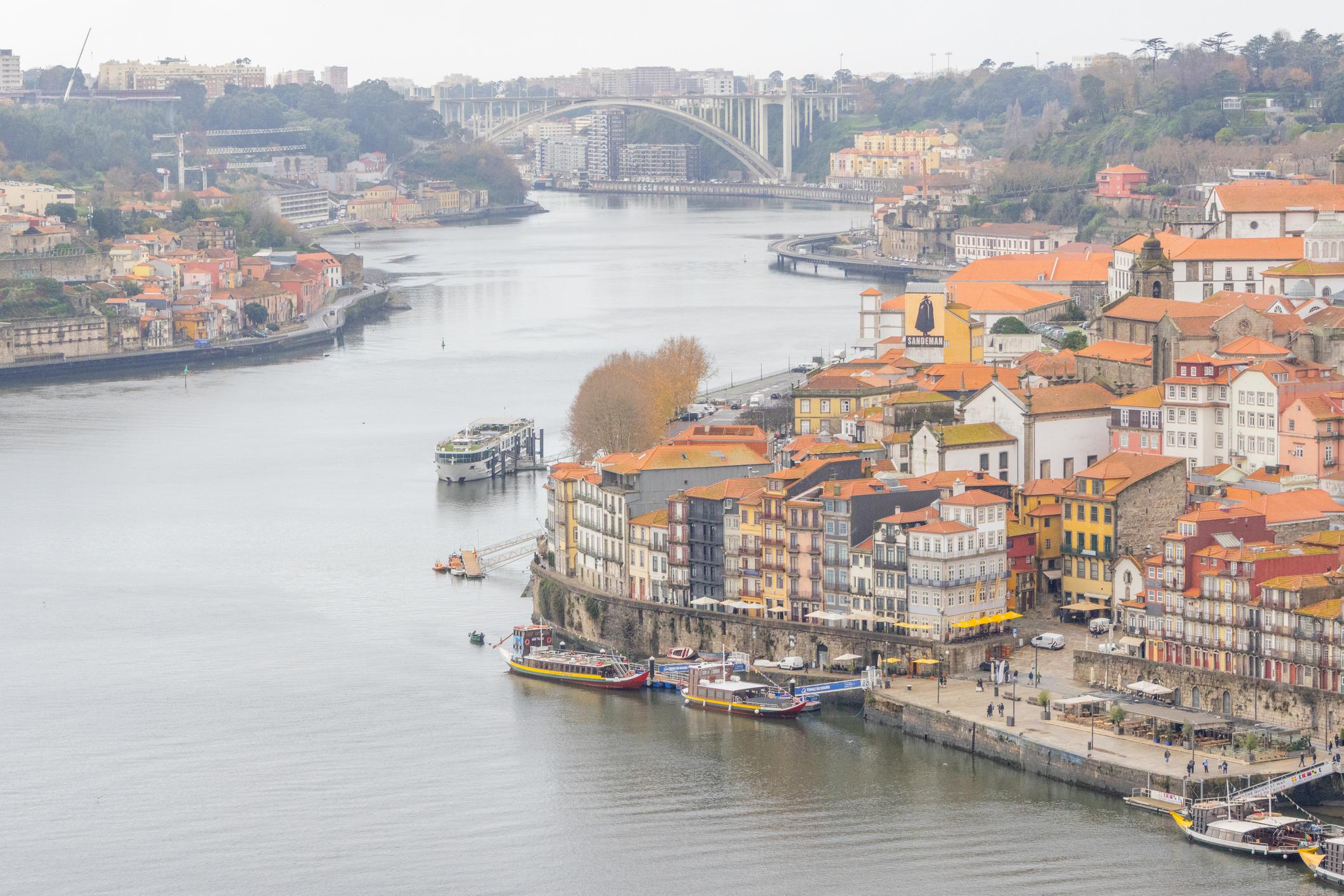
Cities such as Lisbon and Porto are seeing strong growth in cultural tourism. Visitors are drawn to historic architecture, gastronomy, wine tourism, and festivals.
The Ribeira district in Porto and Lisbon’s Alfama neighborhood remain popular among international travelers seeking authentic experiences.
Economic Contribution
Tourism represents a significant share of Portugal’s GDP and supports thousands of jobs in hospitality, transport, and local services. Small businesses, including restaurants and artisan shops, have benefited from increased visitor spending.
Sustainability Concerns
Despite positive growth, authorities are balancing expansion with sustainability. Concerns about housing affordability and environmental pressures have prompted discussions about regulating short-term rentals and preserving historic neighborhoods.
Portugal’s challenge moving forward will be maintaining tourism growth while ensuring long-term sustainability and community wellbeing.

