

Germany is intensifying efforts to expand renewable energy production as part of its long-term energy transition strategy. As Europe’s largest economy, Germany faces the complex task of balancing industrial energy demand with climate goals.
The country has committed to significantly increasing wind and solar capacity in the coming years, aiming to reduce reliance on fossil fuels while stabilizing domestic supply.
Wind Power Expansion
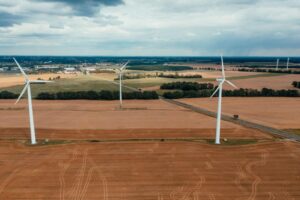
Onshore wind farms in regions such as Brandenburg and Lower Saxony continue to grow. Offshore wind projects in the North Sea are also being expanded to increase capacity.
Wind energy is expected to remain a central pillar of Germany’s electricity mix, particularly as industrial sectors require reliable long-term supply.
Solar Energy Gains Momentum
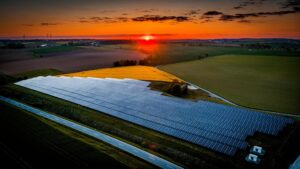
Solar installations have expanded rapidly across southern Germany. Residential rooftop systems and large-scale solar parks are contributing to the country’s renewable portfolio.
Government incentives and streamlined approval processes have accelerated new project development.
Industrial Energy Needs
Germany’s manufacturing-heavy economy requires substantial electricity supply. Companies are increasingly signing long-term renewable energy contracts to ensure cost stability.
Energy-intensive sectors such as chemicals, steel, and automotive production are adapting to meet environmental standards while maintaining competitiveness.
Policy and Infrastructure Challenges
Grid expansion remains critical to transporting renewable electricity from northern wind farms to southern industrial regions. Policymakers are working to modernize infrastructure and reduce bureaucratic delays in project approvals.
Long-Term Outlook
Energy analysts suggest Germany’s renewable push could strengthen energy security and create new employment opportunities. However, sustained investment and regulatory clarity will be essential for meeting ambitious targets.
Germany’s energy transition represents both an environmental commitment and an economic transformation with long-term implications for Europe’s energy landscape.

