

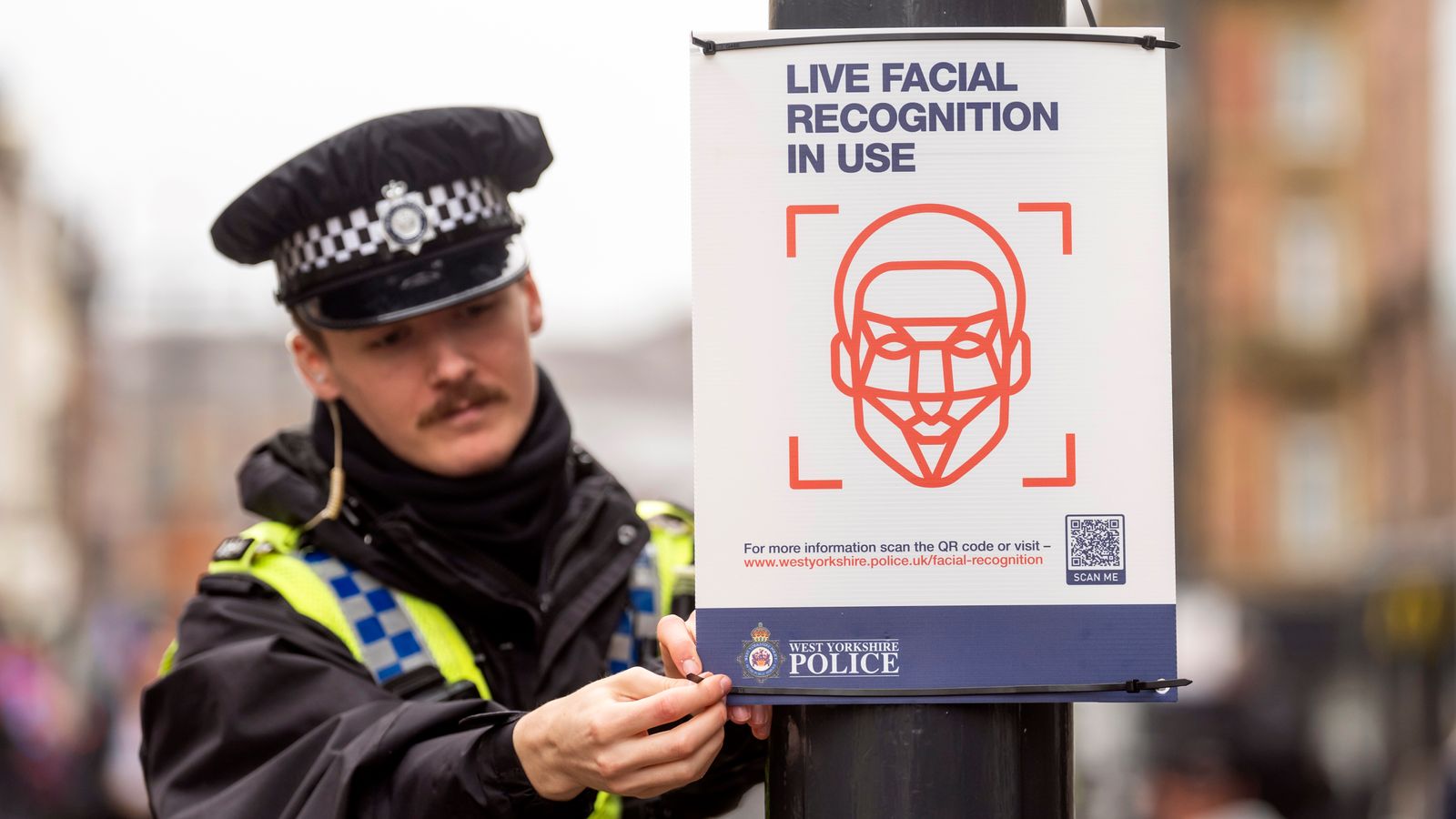
What’s happening now: facial-recognition on the rise
-
The UK government announced plans to significantly expand the use of facial recognition by police forces, with a new 10-week public consultation and the creation of a dedicated regulator to oversee biometrics. GOV.UK+2Reuters+2
-
The plan follows recent deployments: for example, a fleet of “Live Facial Recognition” (LFR) vans is being rolled out across multiple regions (including in the North West) to monitor public spaces and identify people on police watchlists. ITVX+2Yorkshire Evening Post+2
-
According to government figures: in the past two years, Metropolitan Police Service (the Met) arrested around 1,300 people using facial-recognition — including serious offenders. GOV.UK+2AOL+2
⚠️ Privacy and civil-liberties concerns
-
Civil-liberties organisations (such as Big Brother Watch and Liberty) warn that the expansion represents a massive increase in surveillance, dubbing it “out of control” and warning it could turn public spaces into “open prisons.” bigbrotherwatch.org.uk+2Liberty+2
-
New revelations show that children — including those as young as 12 — have been added to police facial-recognition watchlists, raising particular concerns about innocence, consent, and long-term impact on minors. Liberty
-
Experts and rights campaigners argue that current regulation is insufficient: there’s no unified national legal framework ensuring data minimisation, oversight, or accountability. privacyinternational.org+2Liberty+2
🛡️ Government’s rationale — and how facial-recognition works
-
According to the government and police leadership, facial recognition helps catch criminals more efficiently — from violent offenders to missing persons — by matching CCTV or other footage with existing watchlists. Met Police+2GOV.UK+2
-
Forms of facial-recognition in use:
-
Live Facial Recognition (LFR): real-time scanning on streets or crowded areas. Met Police+2Yorkshire Evening Post+2
-
Retrospective Facial Recognition (RFR): using CCTV or video footage after an incident to try to identify suspects. Met Police+1
-
Operator-initiated checks: when police use a camera or device in the field to verify someone’s identity (for example, if a suspect gives false information). Met Police+1
-
🤔 The debate: security vs. privacy & fairness
-
Supporters argue it’s a major leap in policing — speeding up investigations, deterring crime, and helping locate wanted or missing people. The government even calls it “the biggest breakthrough for catching criminals since DNA matching.” GOV.UK+2Reuters+2

-
Critics warn facial-recognition surveillance risks becoming indiscriminate: many people may be scanned without cause, privacy eroded, and the technology disproportionately misidentifying or targeting innocent people — especially minors or communities subject to over-policing. Liberty+2Liberty+2
-
There’s also concern about the absence of clear laws or safeguards. Some experts argue deployment shouldn’t expand further until robust legal protections are in place. privacyinternational.org+2Liberty+2


