


The Country That Measures Happiness Instead of Just Wealth
When most people think about a country’s success, they often look at money.
They ask how large the economy is, how many businesses operate there, or how much wealth its citizens possess.
But there is one small nation in the Himalayas that decided to ask a different question.
Instead of focusing only on economic growth, Bhutan chose to measure something many people believe is far more important:
Happiness.
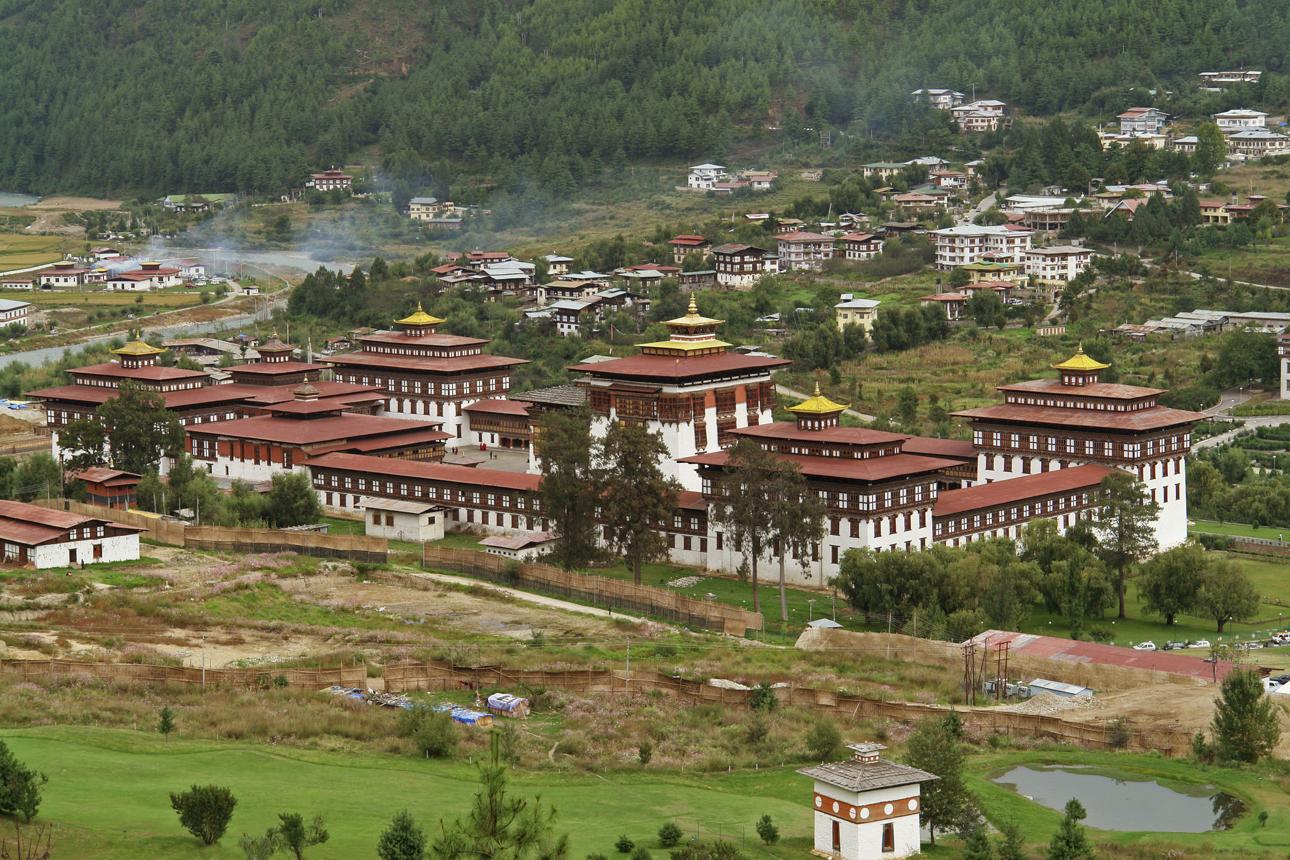
Nestled between India and China, Bhutan is a peaceful mountain kingdom known for its breathtaking landscapes, ancient monasteries, and strong cultural traditions. Yet what makes the country truly remarkable is its unique philosophy known as Gross National Happiness.
While most countries use Gross Domestic Product (GDP) to measure economic performance, Bhutan introduced Gross National Happiness as a way of assessing the overall well-being of its people.
The idea is simple but powerful.
A nation should not be judged solely by how much money it generates. It should also consider whether people are healthy, educated, connected to their communities, and able to enjoy a good quality of life.
This approach has attracted worldwide attention.
Many visitors are surprised to learn that Bhutan places great importance on protecting its natural environment. Vast areas of the country remain covered by forests, and environmental conservation is treated as a national priority.
In fact, Bhutan is often celebrated for its commitment to sustainability and is one of the few countries in the world that absorbs more carbon dioxide than it produces.
The country’s focus on well-being can also be seen in its efforts to preserve cultural traditions. Traditional architecture remains common, national dress is still widely worn on formal occasions, and ancient customs continue to play an important role in daily life.
Of course, Bhutan faces challenges like every other nation.
Young people seek modern opportunities, technology is changing lifestyles, and economic development remains important. Yet the country continues to balance progress with the desire to maintain its cultural identity and quality of life.
The concept of happiness itself can be difficult to define.
For one person, happiness may come from financial security. For another, it may come from family, friendship, good health, or a sense of purpose.
Bhutan’s approach does not suggest that money is unimportant. Rather, it encourages people to consider whether economic success alone is enough to create fulfilling lives.
This raises an interesting question for all of us.
If we measured our own success not only by income but also by our relationships, health, peace of mind, and contribution to our communities, would our priorities change?
In a world that often moves at a fast pace, Bhutan offers a different perspective.
It reminds us that while wealth can improve living conditions, happiness may depend on many other things that cannot be counted in a bank account.
Perhaps that is why this small Himalayan nation continues to capture the imagination of people around the world.
It’s greatest lesson may be that true progress is not only about becoming richer, but also about helping people live meaningful and satisfying lives.


