

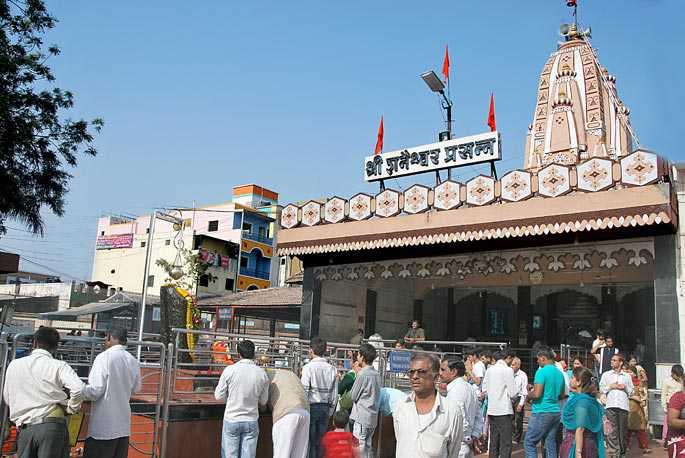
Shani Shingnapur: The Indian Village Famous for Homes Without Locks
In a world where security systems, alarm cameras, and smart locks have become increasingly common, the idea of living without locks on doors seems almost impossible. Yet in western India, there is a village that became famous for exactly that reason. For generations, many residents of Shani Shingnapur believed that locks were unnecessary because their community was protected by faith, trust, and tradition.
Located in the state of Maharashtra, Shani Shingnapur has attracted visitors from across India and around the world. People come not only to see the village itself but also to learn about the unique beliefs that shaped its way of life.
A Village Built Around Faith
The village is closely associated with the worship of Shani Dev, a respected deity in Hindu tradition. According to local legend, a large black stone representing Shani Dev was discovered centuries ago after heavy flooding in the area.
Villagers believed the stone possessed divine significance. Stories spread that Shani Dev promised to protect the village and its residents from theft and wrongdoing. Over time, this belief became deeply rooted in local culture.
As faith in the deity grew, many residents stopped using locks on their homes. Some houses were built without traditional doors altogether. Instead of relying on physical barriers, people trusted in the protection of their faith and the honesty of their neighbors.
The Tradition That Drew Global Attention
For many years, Shani Shingnapur was frequently featured in newspapers, travel magazines, and television documentaries. Journalists were fascinated by reports that homes remained unlocked and that theft was extremely rare.
Visitors often arrived expecting to find a village frozen in time. While they discovered a modern community with schools, shops, and everyday businesses, they also found a culture strongly influenced by traditions passed down through generations.
Local residents often explained that the absence of locks was more than a practical decision. It symbolized trust in divine protection and confidence in the values shared by the community.
Daily Life in the Village
Life in Shani Shingnapur revolves around family, work, and religious devotion. Many residents are involved in agriculture, small businesses, or services related to tourism and pilgrimage.
The village receives a steady flow of visitors who come to worship at the famous open-air shrine dedicated to Shani Dev. Unlike many temples that house sacred objects inside enclosed structures, the central stone in Shani Shingnapur remains exposed to the sky, reflecting local traditions.
Pilgrims often travel long distances to seek blessings, offer prayers, and participate in religious ceremonies. As a result, tourism plays an important role in the local economy.
Shops selling religious items, food stalls, guest accommodations, and transportation services have developed to support the growing number of visitors.
Trust as a Social Value
One reason the village gained international attention is that it raises an interesting question: what happens when trust becomes a central part of community life?
Sociologists often study communities where strong social bonds encourage cooperation and reduce conflict. In smaller villages, residents frequently know one another personally. Families may have lived in the same area for generations, creating relationships that extend beyond simple neighborly interactions.
When people feel connected to their community, they are often more willing to help one another and more likely to respect shared values. Shani Shingnapur became an example of how cultural beliefs can influence everyday behavior.
While faith played a major role, the village’s reputation was also supported by the close relationships among residents and a shared commitment to local traditions.
Changes in the Modern Era
Like every community, Shani Shingnapur has changed over time. Increased tourism, population growth, and modern lifestyles have influenced daily life in the village.
Today, some residents use locks and modern security measures, especially as the village becomes more connected to the wider world. New businesses, banks, and public facilities have introduced contemporary practices that were not part of village life decades ago.
These changes do not necessarily mean that traditional values have disappeared. Instead, many residents have found ways to balance modern realities with long-standing cultural beliefs.
The village remains known for its unique history, even as it adapts to the challenges and opportunities of the twenty-first century.
Why Travelers Are Fascinated
Travelers are often drawn to places that challenge their assumptions about how people live. Shani Shingnapur offers exactly that experience.
The village invites visitors to think about questions that are relevant everywhere:
- How important is trust in a community?
- Can cultural values influence behavior more effectively than rules?
- What role does faith play in shaping everyday life?
- How do traditions survive in a rapidly changing world?
These questions have no simple answers, but they help explain why the village continues to attract attention from people of many backgrounds.
Lessons From Shani Shingnapur
The story of Shani Shingnapur is not really about locks or doors. It is about belief, community, and the values that connect people.
Around the world, many societies face challenges related to trust and social connection. Technology has made communication easier than ever, yet many people feel disconnected from their neighbors and communities.
The experience of this Indian village suggests that strong relationships and shared values can play an important role in creating a sense of security and belonging.
Although few modern communities would completely abandon locks, the village serves as a reminder that trust remains one of society’s most valuable resources.
Conclusion
Shani Shingnapur stands out as one of the world’s most unusual villages. Its reputation for homes without locks has captured global attention for decades, drawing curious visitors and inspiring discussions about faith, trust, and community.
While modern life has brought changes to the village, its story continues to fascinate people because it highlights something universal: the human desire to live in a place where honesty, respect, and trust are valued.
Whether viewed as a religious tradition, a cultural curiosity, or a social experiment, Shani Shingnapur remains a remarkable example of how beliefs can shape the way people live together.
FAQs
Where is Shani Shingnapur located?
Shani Shingnapur is located in the Indian state of Maharashtra.
Why is the village famous?
It became famous because many residents traditionally lived without locks on their homes, believing they were protected by Shani Dev.
Do people still live without locks today?
Modern influences have led some residents to adopt conventional security measures, though the village remains closely associated with its historic tradition.
Can tourists visit the village?
Yes. Thousands of pilgrims and tourists visit each year to see the shrine and learn about the village’s unique history.
Written by Sprinkle News Editorial Staff


