Japan’s Education System: Lessons from One of the World’s Top Performing Nations
Japan is widely recognized for having one of the most effective education systems in the world. The country’s commitment to academic excellence, discipline, and personal responsibility has helped create a highly skilled workforce and contributed significantly to its economic success.
Education plays a central role in Japanese society. From an early age, children are taught not only academic subjects but also values such as respect, responsibility, teamwork, and community participation.
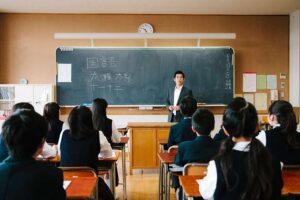
One of the unique features of Japan’s education system is its focus on character development. Students are encouraged to develop good habits, respect others, and take responsibility for their actions. In many schools, students participate in cleaning classrooms and school facilities, helping to foster a sense of ownership and community.
Japanese schools place strong emphasis on core subjects such as mathematics, science, reading, and writing. As a result, Japan consistently performs well in international educational assessments and rankings.
Teachers are highly respected in Japanese society and play an important role in shaping the next generation. The profession attracts qualified individuals who undergo rigorous training and professional development throughout their careers.
Another strength of Japan’s education system is its culture of continuous improvement. Schools regularly evaluate teaching methods and seek ways to improve student outcomes. This commitment to excellence has helped maintain high educational standards across the country.
Technology is also becoming increasingly integrated into classrooms. Digital learning tools, online resources, and modern educational technologies are helping students develop skills needed for the future economy while maintaining strong foundations in traditional academic subjects.
Education in Japan extends beyond academic achievement. Schools encourage participation in sports, cultural activities, music, and clubs. These activities help students develop leadership skills, teamwork, and self-confidence.
The Japanese approach to education demonstrates that success is not based solely on examination results. By combining academic excellence with discipline, responsibility, and character development, Japan has created a system that prepares students for both professional and personal success.
As countries around the world seek to improve educational outcomes, many continue to study Japan’s experience and explore lessons that can be adapted to their own educational systems. The Japanese model highlights the importance of investing in teachers, fostering respect for learning, and developing well-rounded citizens.
Japan’s education system remains an example of how a nation can use education as a foundation for economic growth, social stability, and long-term national development.