

In an increasingly interconnected world, national events rarely stay confined within borders. Political decisions, economic shifts, and social changes in one country often ripple outward, shaping global conversations. This article offers a broad, balanced look at recent developments in five nations—United Kingdom, Ghana, Germany, Canada and the Netherlands—highlighting key trends in politics, economy, and society.
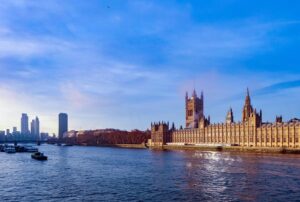
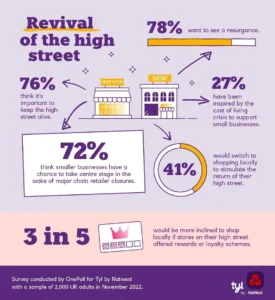
The United Kingdom continues to navigate a delicate balance between economic recovery and political recalibration. Inflation has eased compared to previous peaks, yet the cost of living remains a defining concern for many households. Energy prices, housing affordability, and wage growth continue to dominate public discourse.
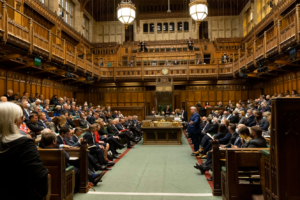
Politically, the UK is experiencing a period of heightened scrutiny and debate. Policy discussions around taxation, healthcare funding, and immigration remain central. The National Health Service (NHS), long regarded as a cornerstone of British society, faces ongoing pressure due to staffing shortages and rising demand.
Meanwhile, the country’s post-Brexit identity is still evolving. Trade relationships, regulatory frameworks, and international partnerships are being reshaped, with both challenges and opportunities emerging in sectors such as finance, technology, and manufacturing.
Ghana: Economic Recovery and Youth Innovation

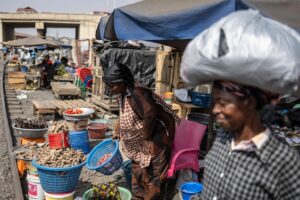
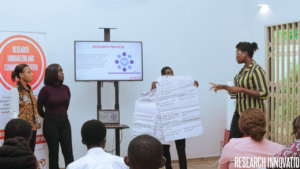
Ghana has been focused on stabilizing its economy after facing significant fiscal challenges in recent years. Inflation and currency pressures have affected everyday life, prompting government-led reforms and international financial support efforts.
Despite these hurdles, Ghana remains one of West Africa’s most dynamic economies. A growing technology sector, particularly in the capital city of Accra, is driven by a young and increasingly entrepreneurial population. Startups in fintech, e-commerce, and digital services are gaining traction, offering new employment opportunities and attracting foreign investment.
Socially, the country continues to emphasize education and innovation. Initiatives aimed at digital skills training and youth empowerment are helping position Ghana as a regional leader in tech-driven development.
Germany: Industrial Strength Meets Energy Transition
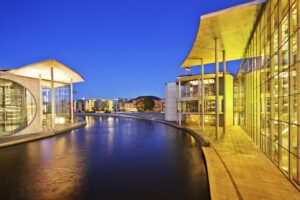
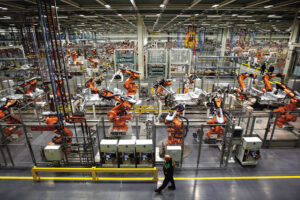
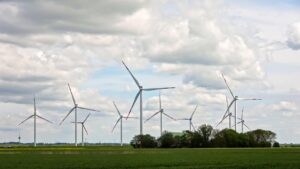
Germany, Europe’s largest economy, is undergoing a significant transformation as it balances industrial strength with environmental responsibility. The transition toward renewable energy remains a central priority, particularly as the country reduces dependence on traditional energy sources.
This shift, however, comes with challenges. Energy costs and supply concerns have placed pressure on industries, especially manufacturing, which forms the backbone of the German economy. Policymakers are working to ensure that sustainability goals align with economic competitiveness.
On the political front, Germany continues to play a key role within the European Union, influencing decisions on trade, security, and climate policy. Domestically, debates around immigration, labor shortages, and social integration remain prominent.
Canada: Growth, Immigration, and Housing Challenges
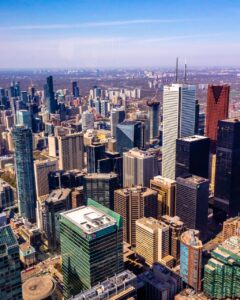
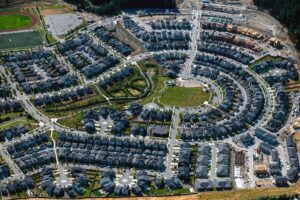

Canada is experiencing steady population growth, driven largely by immigration. This has strengthened the labor market and supported economic expansion, but it has also intensified pressure on housing and infrastructure.
Affordable housing has become one of the country’s most pressing issues. Major cities like Toronto and Vancouver face rising property prices and rental shortages, prompting policy responses at both federal and provincial levels.
Economically, Canada benefits from its natural resources and strong trade relationships, particularly with the United States. At the same time, there is a growing emphasis on sustainability, clean energy, and technological innovation.
Socially, Canada continues to promote multiculturalism and inclusivity, shaping its identity as a diverse and globally engaged nation.
Netherlands: Innovation, Climate Adaptation, and Social Balance
The Netherlands stands out in Europe for its ability to combine economic innovation with pragmatic governance. Though relatively small in size, it plays an outsized role in global trade, technology, and climate strategy.
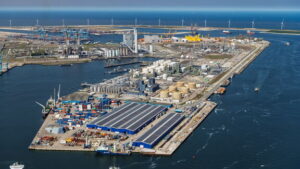
Economically, the Netherlands benefits from its strategic position as a logistics hub. The Port of Rotterdam—one of the largest in the world—anchors international trade flows, connecting Europe to global markets. This strong trade infrastructure supports a diverse economy that includes agriculture, technology, and finance.
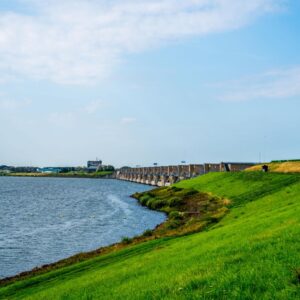
One of the country’s defining challenges—and strengths—is water management. With much of its land lying below sea level, the Netherlands has become a global leader in flood control and climate adaptation. Advanced systems of dikes, storm surge barriers, and innovative urban planning projects demonstrate how infrastructure can be designed with long-term environmental resilience in mind.
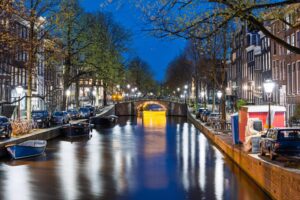
Socially, the Netherlands is known for its emphasis on balance—between work and life, growth and sustainability, tradition and progress. However, like many developed nations, it faces pressures around housing availability, particularly in major cities such as Amsterdam. Rising demand has led to affordability concerns, prompting policy discussions on urban development and population density.
Politically, the country often reflects a coalition-based system, requiring negotiation and compromise. Current debates focus on environmental regulations, agricultural reforms, and immigration policies—issues that mirror broader European trends.
Reflection
Together, these countries illustrate a world not in crisis alone, but in transition—adapting, recalibrating, and, in many cases, quietly reinventing how societies function in the face of modern challenges.

