As the 2026 FIFA World Cup approaches, preparations are accelerating across the three host nations — the United States, Canada, and Mexico. While stadiums and infrastructure are taking shape, immigration policy in the United States is emerging as an unexpected factor that could influence who gets to experience the tournament in person.
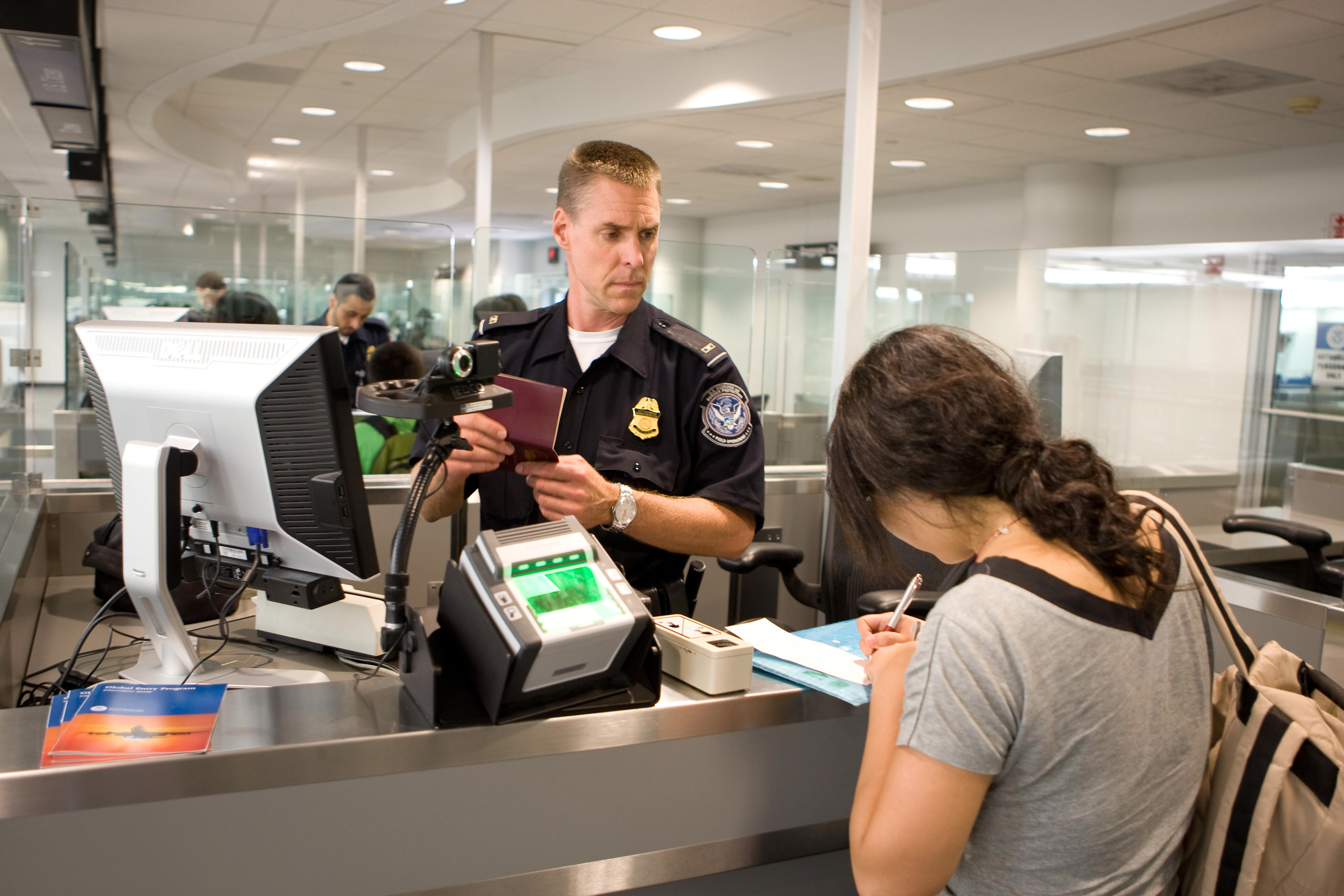
With most matches scheduled to be played on U.S. soil, American entry rules will play a major role in determining which international supporters are able to attend games.
Travel Rules and Their Impact on Fans
Recent U.S. travel restrictions introduced during the administration of Donald Trump affect citizens of several countries whose national teams are expected to feature at the tournament. While the measures are not designed specifically around football, their timing has drawn attention because of the World Cup’s global audience.
Under current rules, citizens of some countries face full or partial suspensions on entry for tourism and short-term visits. This means that while teams may qualify on sporting merit, many of their supporters could be unable to attend matches held in the United States.
Players Can Travel — Fans Often Cannot
U.S. authorities have indicated that exemptions apply to players, coaching staff, and close relatives involved in the tournament, ensuring that teams can compete without disruption. However, these exemptions do not extend to ordinary supporters.
As a result, fans from affected countries may still be able to watch their teams play in Canada or Mexico, but could be excluded from matches hosted in the U.S. — a significant limitation given that the majority of fixtures are scheduled there.
A Question of Accessibility
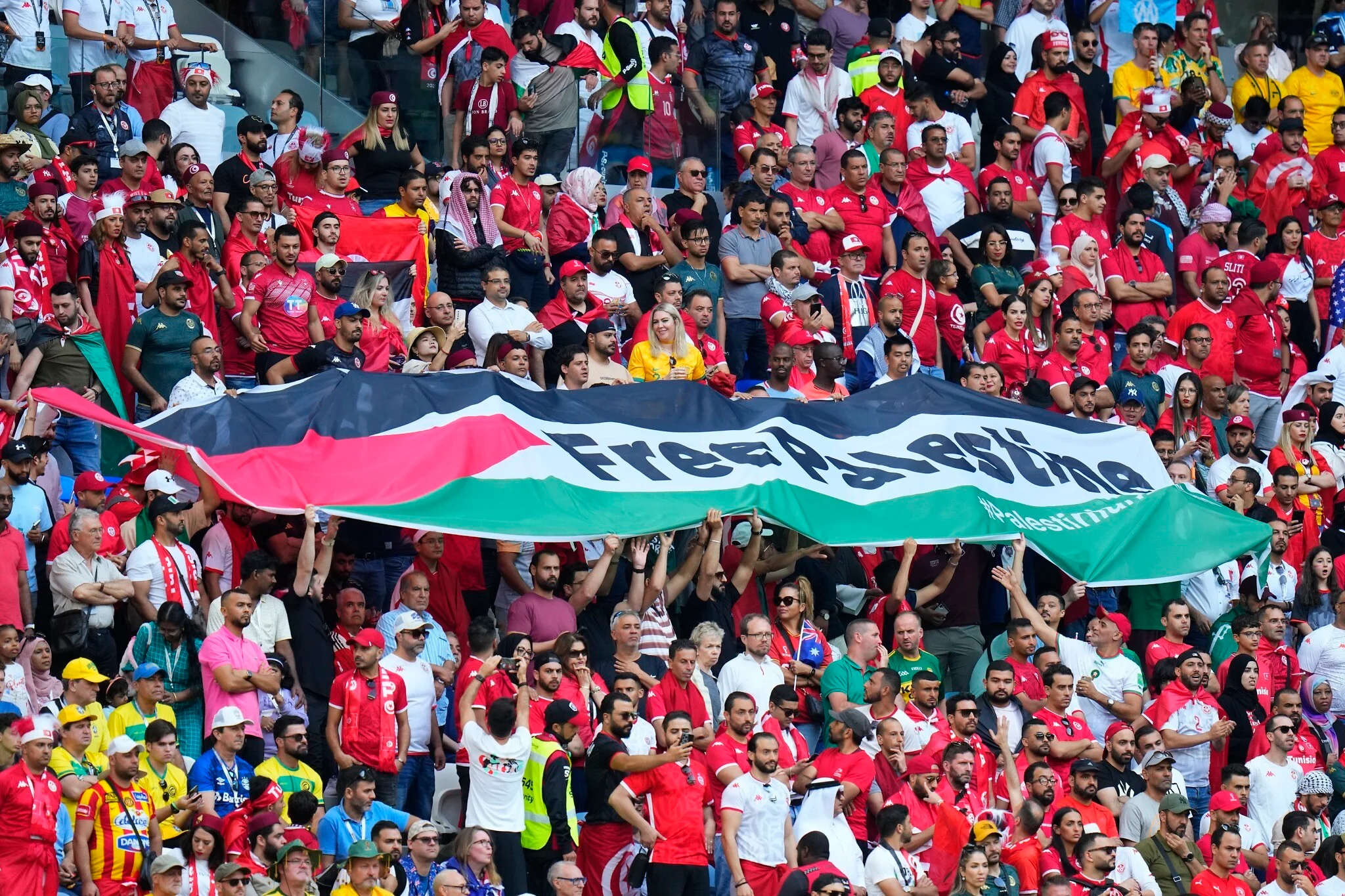
The situation has sparked wider discussion about access and inclusion at global sporting events. The World Cup has traditionally been promoted as a tournament that brings together fans from every region, culture, and background. When travel barriers prevent supporters from attending, it raises questions about whether the tournament experience is truly equal for all.
Supporters from parts of Africa, the Middle East, and the Caribbean appear most affected, particularly those from countries facing longstanding or newly reinforced travel restrictions.
Football Goes On, Off-Field Questions Remain
On the pitch, qualification campaigns and group draws continue as planned. Teams are preparing, fans are making early plans, and host cities are investing heavily in infrastructure and tourism.
Off the pitch, however, the issue highlights how global politics can intersect with global sport. While the tournament itself will proceed, the makeup of the crowds — and who gets to be part of the spectacle — may look very different depending on where matches are played.
Looking Ahead
With more than a year to go before kickoff, policies could still change. Travel rules are often revised, challenged, or adjusted over time. For now, though, uncertainty remains for many international supporters hoping to attend matches in the United States.
As the World Cup draws closer, accessibility may become as much a talking point as tactics and team selection — reminding fans that football, despite its unifying power, does not exist entirely separate from politics and policy.