Modern football managers walk a fine line between honesty and diplomacy. Nowhere is that balance more dangerous than at Manchester United, where internal power structures have ended more managerial reigns than poor results alone.
In recent years, fans have increasingly praised managers who “tell it like it is.” But history suggests that public honesty about internal problems often accelerates a manager’s exit rather than fixing the issues they highlight.
Why Press Conferences Matter More Than Ever
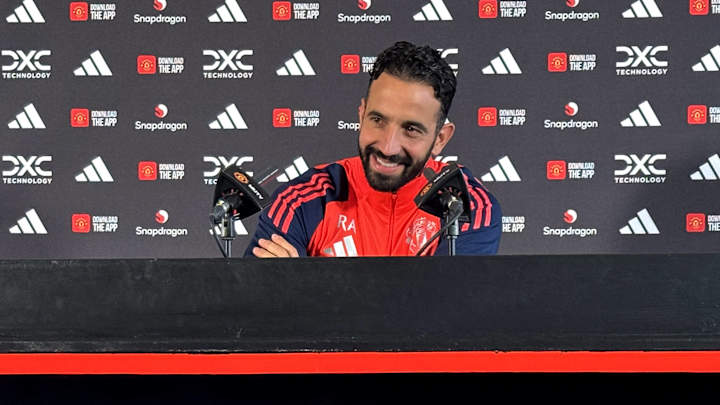
Post-match press conferences are no longer just about tactics. Every sentence is dissected by executives, supporters, and media alike. A single remark questioning recruitment, structure, or authority can quickly be interpreted as a challenge to the club hierarchy.
Managers who openly express frustration about transfer control or decision-making often believe they are advocating for improvement. Club leadership, however, may hear something else entirely: loss of control.
Lessons From Recent Premier League History
Across the Premier League, several managers have learned that public criticism of club structures rarely ends well. Even when concerns are shared privately, repeating them publicly can force ownership into a defensive position.
Once a manager frames the issue as systemic, the club often responds by removing the most replaceable part of that system — the manager.
Why Manchester United Is Especially Unforgiving
At United, authority is carefully layered. Sporting directors, executives, and ownership each have defined roles. When a head coach appears to question that balance in public, it can be perceived as destabilising, regardless of results on the pitch.
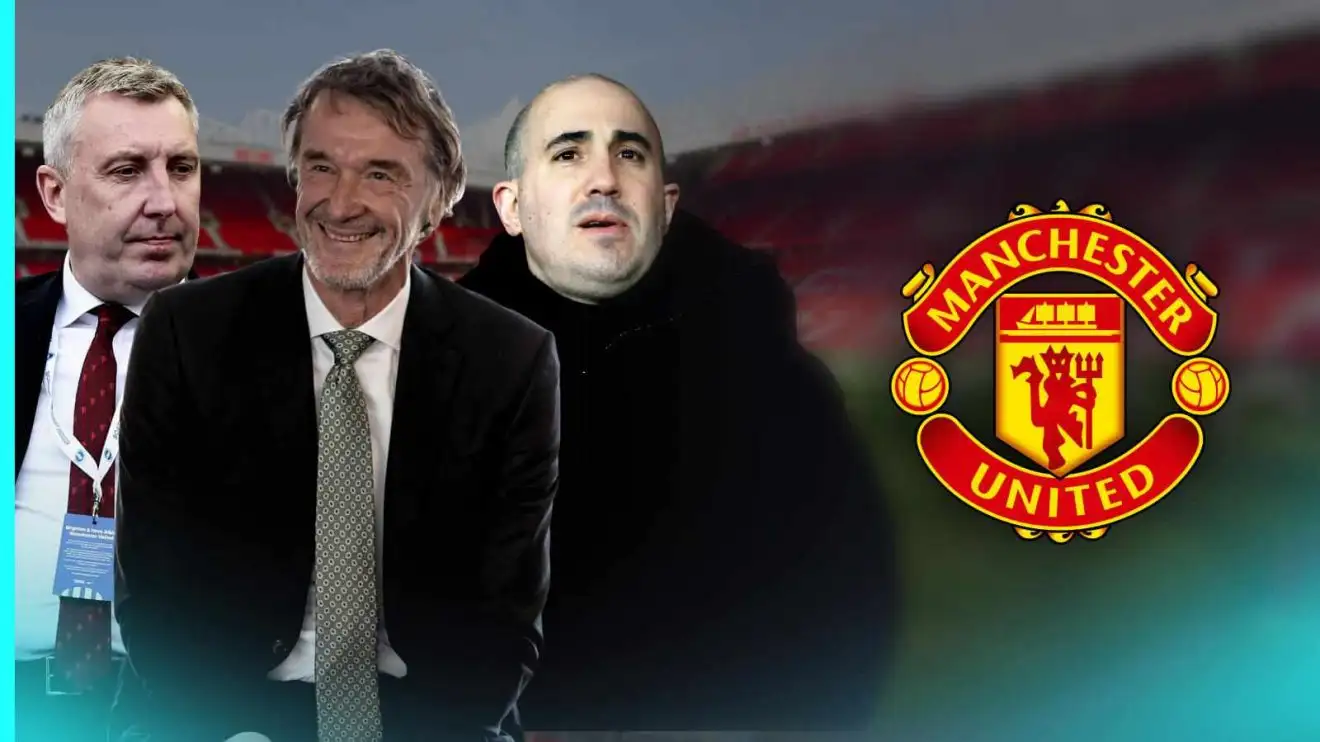
Under the current ownership structure led by Sir Jim Ratcliffe, emphasis has been placed on hierarchy, long-term planning, and institutional control. In such an environment, public challenges are unlikely to be tolerated for long.
Results Still Matter — But So Does Alignment
Poor performances often weaken a manager’s position, but they rarely act alone. When results dip and public comments suggest internal disagreement, patience tends to evaporate quickly.
In many cases, the press conference doesn’t cause the dismissal — it simply makes it inevitable.
The Broader Reality for Modern Managers
Fans may applaud honesty, but football remains a results-driven business governed by politics as much as performance. Managers who survive longest are often not those who speak most openly, but those who navigate internal tensions quietly.
The lesson is uncomfortable but consistent:
In elite football, saying the right thing privately matters far more than saying the right thing publicly.