

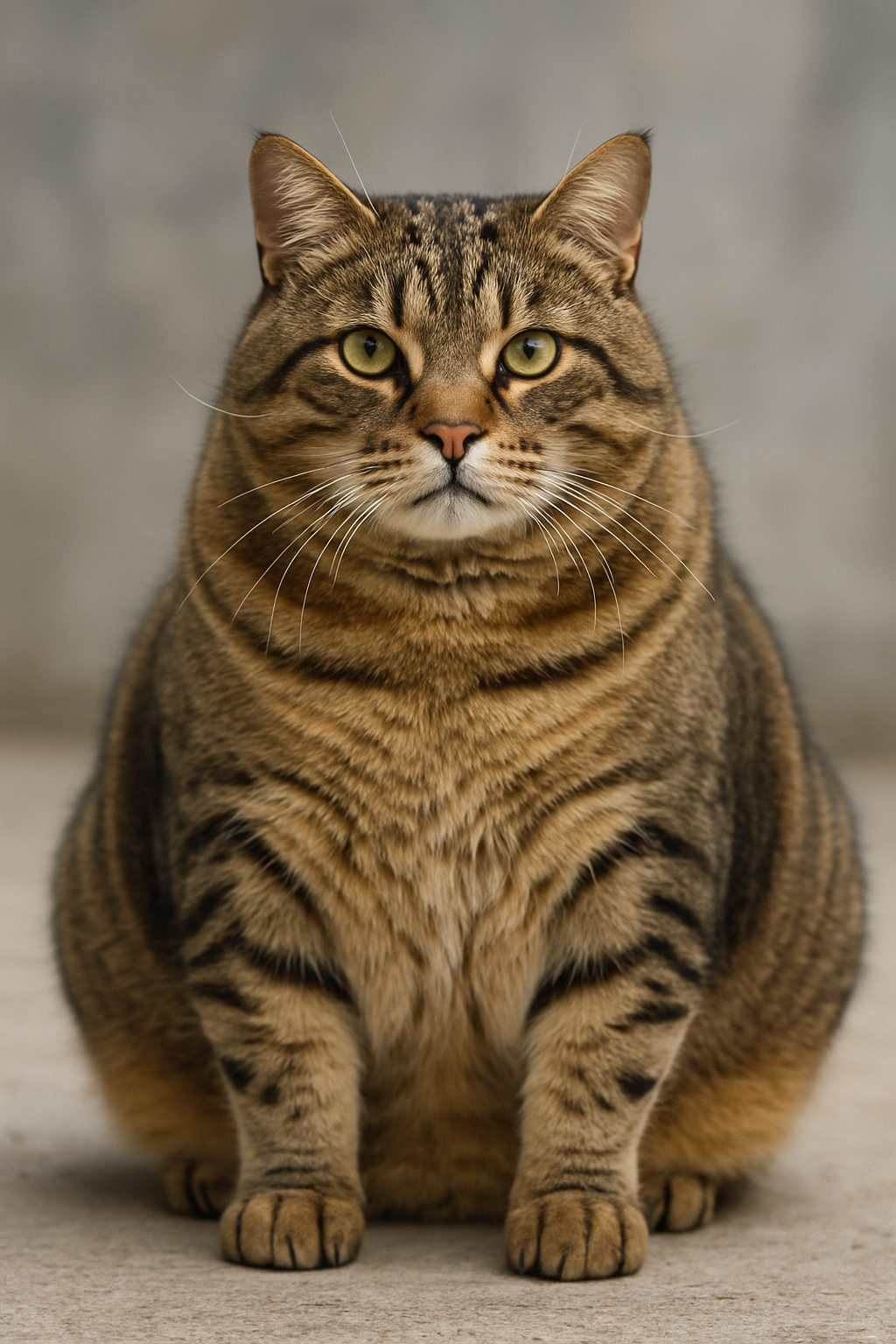
Have you ever noticed your cat becoming extra vocal when a man walks into the room? According to a new study, there may be a scientific explanation behind this surprisingly relatable phenomenon. Researchers have found that cats tend to meow more frequently and more loudly at their male caregivers compared to female caregivers — and it may all come down to communication styles.
Published in the journal Ethology, the study aimed to observe real, natural human–cat interactions rather than relying on owners’ recollections. A team led by Yasemin Salgirli Demirbas from Ankara University in Turkey monitored 31 household cats in their everyday environments. To capture the most authentic moments, each cat was fitted with a small chest-mounted camera that recorded their behavior during the first moments after their owners arrived home.
What researchers discovered was both fascinating and oddly charming. Across all cat participants — regardless of age, breed, sex, or household size — the animals greeted male caregivers with more vocalization. On average, cats produced 4.3 meows within the first 100 seconds of a man entering the home. In contrast, women received only 1.8 meows in the same timeframe.
The reason behind this difference, according to the researchers, may be simpler than expected: men generally speak less to their cats than women do. Because of this reduced verbal engagement, cats may use meowing as a stronger tool to get their message across and command attention. As the study’s author explains, “Male caregivers might engage less frequently in verbal behaviours compared to female caregivers. This difference could prompt cats to use vocal signals more actively to elicit responses from male caregivers.”
Beyond meowing, the study also noted that cats displayed a mix of friendly social cues — such as purring or chirping — along with behaviors associated with stress relief. This combination suggests that cats feel both excitement and comfort upon their owner’s return, showing just how emotionally layered these small greetings can be.
While the findings offer intriguing insights into feline-human communication, researchers emphasize that the sample size was relatively small and limited to Turkey. To truly understand whether this pattern is universal, larger studies across different countries and cultures will be needed.
Still, for now, the takeaway is delightful: if a cat meows more at the man in the house, it might just be trying to say, “Hey, pay attention — I’m talking to you!”


