

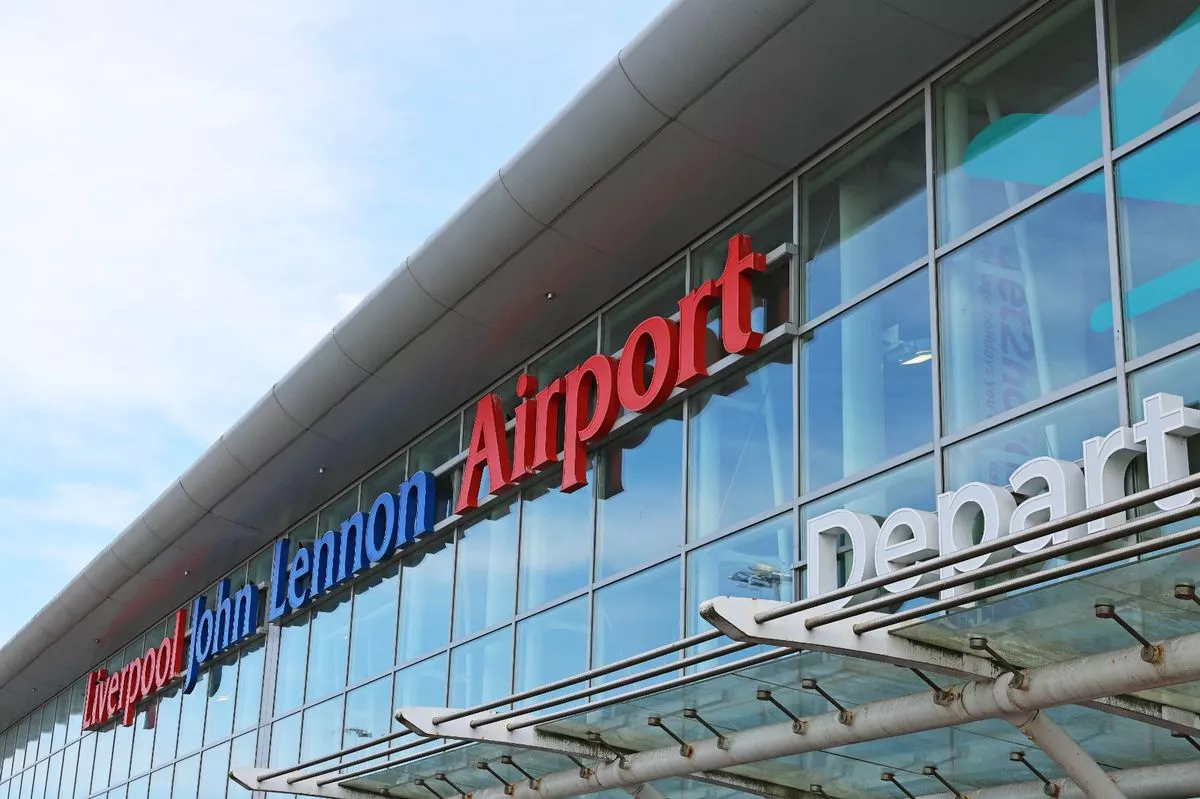
Winter weather once again disrupted air travel in parts of the UK after snow and ice led to the temporary closure of Liverpool John Lennon Airport, affecting dozens of flights and leaving passengers facing uncertainty.
While snowfall across Merseyside was relatively brief, freezing conditions that followed created unsafe runway conditions — a reminder of how quickly winter weather can halt airport operations.
Why Runways Close Even After Snow Stops
Airports operate under strict safety rules, and icy runways pose serious risks during take-off and landing. Even a thin layer of ice can reduce braking effectiveness and aircraft control.
Clearing a runway is not simply a matter of ploughing snow. Surfaces must be treated, inspected, and tested before flights can resume — a process that can take hours, particularly if temperatures remain below freezing.
The Knock-On Effect for Flights
When a runway closes, cancellations and diversions can escalate quickly. Aircraft scheduled to land may be rerouted to nearby airports, while departures are often delayed until crews, planes, and airspace can be reorganised.
For passengers, this can mean missed connections, rescheduled flights, or overnight delays — even after weather conditions begin to improve.
Why Airports Advise Passengers to Check Before Travelling
Airports and airlines typically urge travellers to check flight status before heading out during severe weather. Once disruption begins, conditions can change rapidly depending on temperature, visibility, and how quickly surfaces can be made safe again.
Travelling to the airport before confirmation can result in long waits, congestion, and unnecessary stress — especially during peak periods.
Winter Travel Remains Unpredictable
Cold weather affects more than runways. Aircraft de-icing, crew availability, and knock-on delays from other airports all play a role in how quickly schedules recover.
Even once flights resume, it can take the rest of the day — or longer — for normal operations to return.
What Passengers Can Do
During winter disruption, travellers are advised to:
-
Monitor airline updates closely
-
Avoid travelling to the airport until advised
-
Keep receipts for potential reimbursement
-
Allow extra time for rebooked flights
While weather-related disruption is frustrating, safety considerations always take priority.
A Familiar Winter Challenge
Airport closures caused by snow and ice are a recurring challenge during UK winters. As climate patterns continue to produce sudden cold snaps, travellers are increasingly reminded that even short periods of severe weather can have widespread effects on transport networks.
For now, passengers affected by the latest disruption are encouraged to stay informed and flexible as airports and airlines work to restore full operations.


