

UK Streaming Viewers Face Uncertainty as Government Reviews £180 TV Licence Rules
7 October 2026 | UK News | Technology & Media
Millions of households across the United Kingdom could face changes to how they pay for television and online entertainment as the government considers extending the BBC TV licence fee to popular streaming platforms.
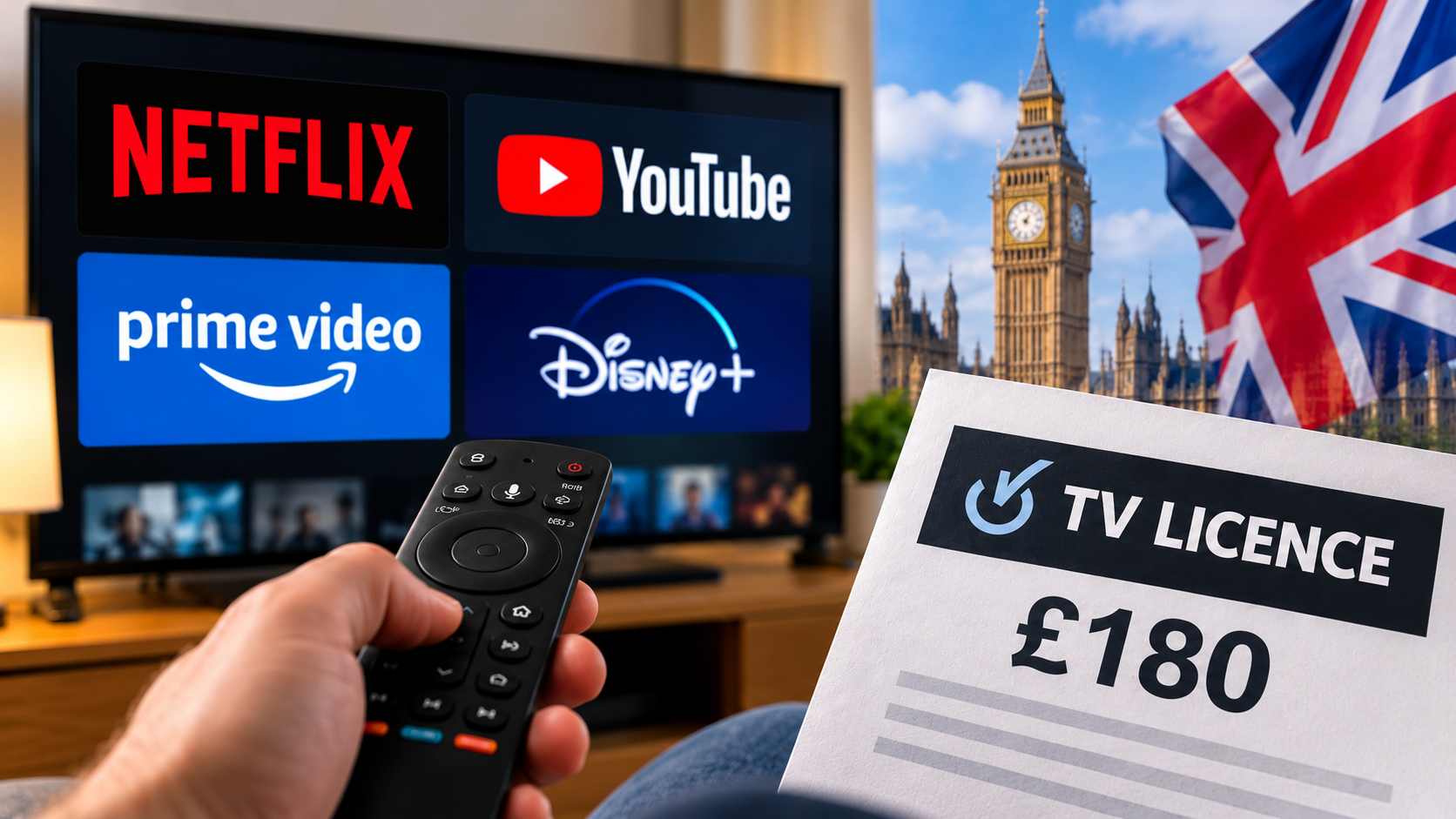
Services including Netflix, YouTube, Amazon Prime Video and Disney+ could fall within an expanded licensing system as ministers examine ways to secure the BBC’s financial future.
The discussions come amid changing television habits, with increasing numbers of viewers turning away from traditional broadcasting in favour of entertainment available on demand.
However, no final decision has been announced, and the government has not confirmed when or how any new payment requirements would take effect.
Why Is the UK Considering a TV Licence Fee for Streaming Services?
The BBC has traditionally relied on television licence payments to finance its public broadcasting services, including news, educational programmes, documentaries and entertainment.
But the growth of streaming platforms has created a challenge for the existing funding system.
Many households now watch films, television series and online videos without regularly using traditional television channels.
Under current rules, people who only watch ordinary on-demand content on services such as Netflix generally do not need a TV licence, provided they do not watch live television or use BBC iPlayer.
This distinction has raised questions about whether the licensing system adequately reflects modern viewing habits.
The government is reviewing the BBC’s funding arrangements as part of preparations for its next Royal Charter.
How Much Could Streaming Viewers Have to Pay?
The standard colour TV licence currently costs £180 annually.
If the government decides to extend licensing requirements to streaming audiences, some households that do not currently pay could become liable for an additional expense.
However, the government has not established a final charging structure.
Among the options discussed are extending the existing licence requirement, introducing different payment levels for certain users or collecting additional payments through streaming subscriptions.
A revised system could also include concessions for eligible households.
These possibilities remain under consideration rather than confirmed government policy.
What Would Change for Netflix and YouTube Users?
The proposed changes could have significant implications for people who rely entirely on online entertainment.
For example, a household that subscribes to Netflix but does not watch live television or BBC iPlayer may currently have no obligation to purchase a television licence.
Under an expanded system, that household could potentially become subject to licensing requirements.
YouTube viewers could also be affected, depending on how the government defines the types of online video services covered by any revised rules.
The proposals have attracted attention partly because online video platforms serve different purposes, from professionally produced films and television programmes to educational videos and independently created content.
Exactly which services and activities would be included remains unclear.
Why Is the BBC Facing Financial Pressure?
The BBC’s funding difficulties have intensified as television viewing habits continue to evolve.
Government consultation documents indicate that the number of households holding television licences has declined significantly from its previous peak.
Around 23.7 million UK households held a licence in 2024/25, while licence sales have fallen over the past decade.
This decline has placed pressure on the broadcaster’s ability to maintain services while managing rising production and operating costs.
Supporters of reform argue that a modern funding arrangement is necessary to preserve public service broadcasting.
However, extending payments to households that do not directly watch BBC television programmes could raise concerns about fairness and affordability.
Could the Changes Increase Household Bills?
The potential financial consequences are likely to become an important part of the debate.
Many households already pay monthly subscriptions for streaming services, broadband and other digital entertainment.
An additional television licensing obligation could increase costs for those who currently avoid the fee legally.
The issue is particularly relevant at a time when household budgets remain under pressure.
The government has acknowledged these concerns and is examining whether changes could be designed to minimise financial burdens.
Culture Secretary Lisa Nandy told a parliamentary committee in July that several approaches were being considered, including different payment arrangements and possible reductions in the overall licence fee.
She also stressed that no final decision had been made.
What Happens Next?
The government is expected to provide further details through a White Paper examining the BBC’s future funding and governance.
That document is expected to help shape the next phase of the broadcaster’s Royal Charter arrangements.
Any substantial change to television licensing rules would require further policy decisions and appropriate implementation measures.
For now, households should continue following the existing TV licence requirements.
The key point is that extending the TV licence fee to on-demand streaming remains a proposal, not an approved new charge.
As the government considers its options, the outcome could influence how millions of people across Britain pay for digital entertainment in the years ahead.
Sprinkle News will continue following developments in the UK television licence debate.
For more UK news and developments from around the world, visit www.sprinklenews.com


