

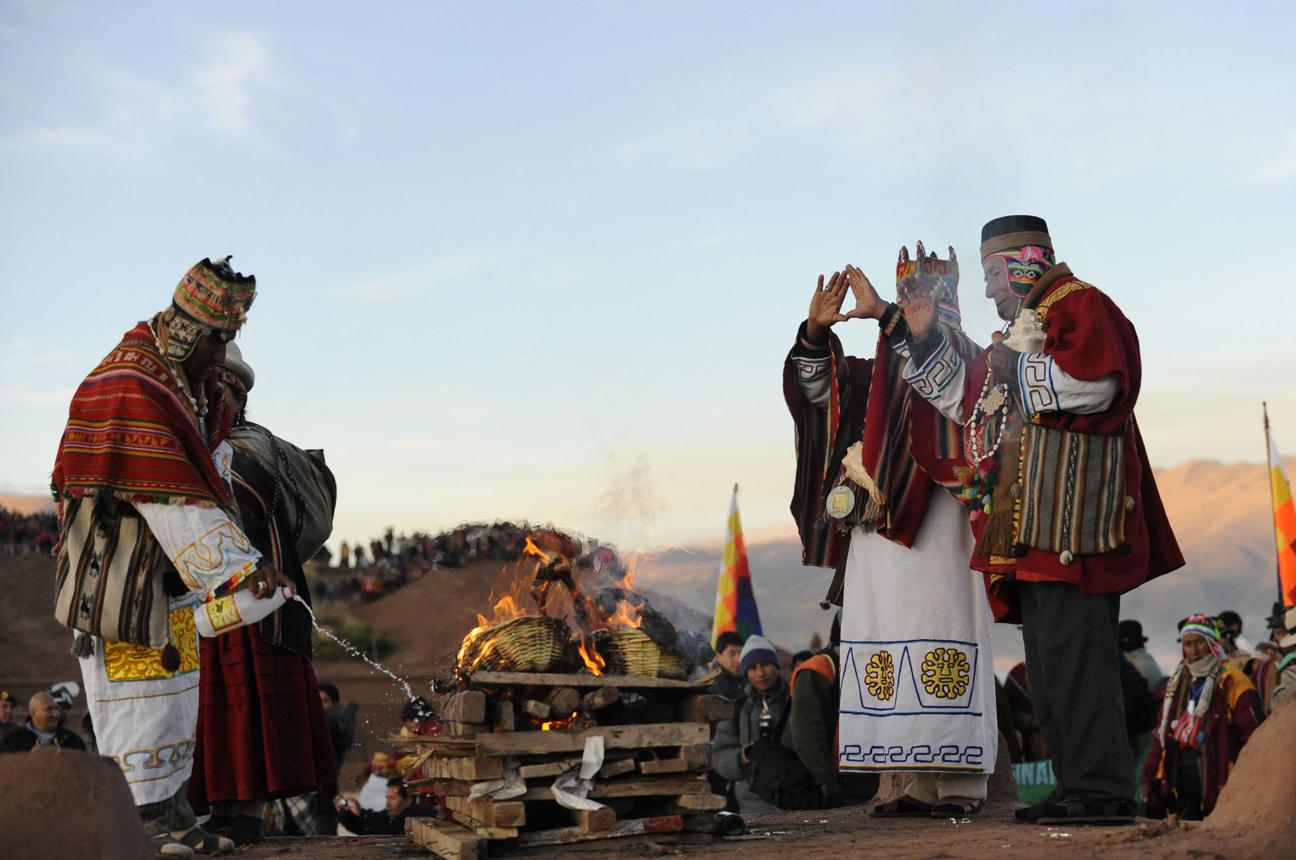
The World’s Oldest Traditions Still Practiced Today
Human civilization has changed dramatically over thousands of years, yet many ancient traditions continue to survive. Across the globe, communities still practice customs that connect them to their ancestors and preserve cultural identity.
One example is the Japanese tea ceremony, which has been refined over centuries and remains an important cultural practice. In India, ancient festivals continue to attract millions of participants every year. Indigenous communities on several continents maintain ceremonies that have been passed down through countless generations.
These traditions often serve multiple purposes. They preserve history, strengthen community bonds, and provide a sense of continuity in a rapidly changing world.
Many ancient customs also teach valuable lessons about respect, patience, gratitude, and harmony with nature.
Despite modern technology and globalization, communities continue to protect these traditions because they represent more than rituals. They are living connections to the past.
Conclusion
The survival of ancient traditions demonstrates the enduring power of culture. They remind us that while societies evolve, the values and stories that shaped earlier generations remain important today.
FAQ
Why do ancient traditions survive?
They help communities preserve identity, history, and shared values.
Are these traditions still relevant?
Many continue to provide meaning and strengthen social connections.
Where can travelers experience them?
Many cultural festivals and ceremonies welcome respectful visitors.


