

Bratislava doesn’t reveal itself all at once.
At first, it feels almost understated—quiet streets, modest buildings, a pace that doesn’t try to compete with larger cities. It doesn’t overwhelm you with movement or demand your attention in obvious ways.
And that can be misleading.
Because the longer you stay, the more the city begins to unfold—not quickly, but gradually, as if it’s waiting for you to slow down enough to notice.
I arrived in the late afternoon, when the light was beginning to soften but hadn’t yet turned to evening. The streets carried a gentle movement—people walking without urgency, conversations held at a comfortable volume.
Nothing felt forced.
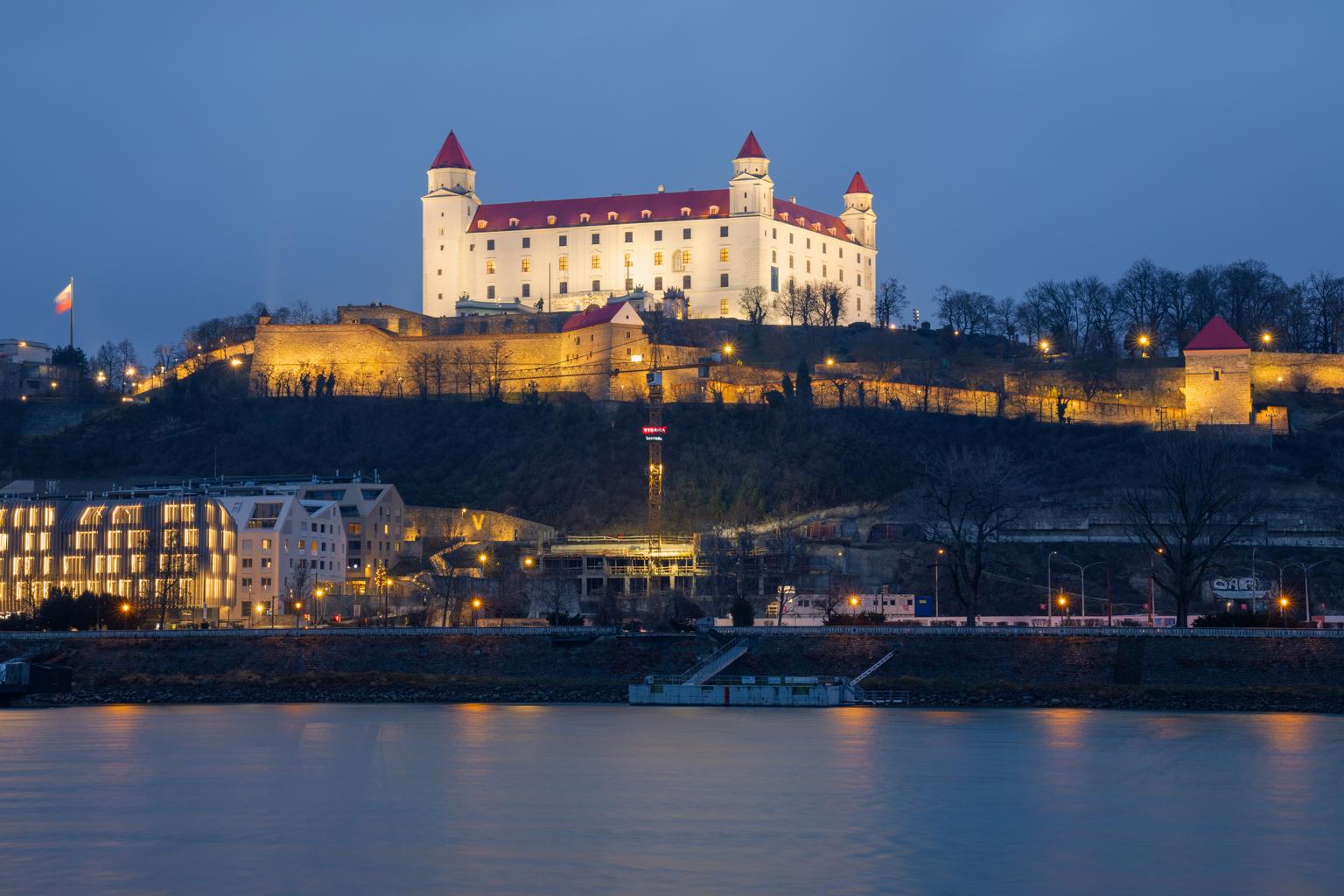
As the sun lowered, the old town began to change.
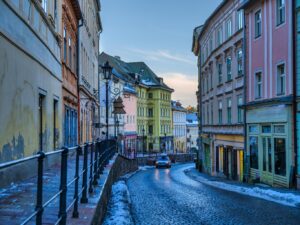
Not dramatically—there was no sudden shift—but gradually, almost imperceptibly. Lights appeared in windows, one by one. Street lamps cast a softer glow across the cobblestones. The air cooled slightly, carrying a different kind of stillness.
People lingered longer now.
A couple stood outside a small café, finishing a conversation that didn’t seem rushed. A group nearby laughed quietly, not drawing attention, just existing within the space.
It felt like the city was settling into itself.
I found a small place to sit—not because it stood out, but because it didn’t.
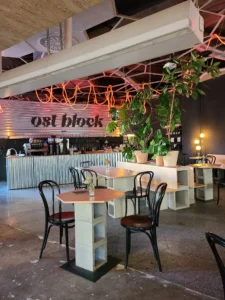
A simple table near the street, just close enough to observe without being part of everything. The kind of place where nothing is exaggerated.
The person serving didn’t rush through the interaction. There was a natural pace to it—steady, attentive, without performance.
As I sat there, I realised something subtle.
No one seemed to be trying to “make the most” of the evening.
They were simply in it.
But stays with you longer.

